Laser Module
Introduction
The core component of the laser module is a laser diode, which is a semiconductor device capable of directly converting electrical energy into laser light energy.
Compared to traditional light sources, laser characteristics come from its unique emission and generation process: When current flows through the laser diode, electrons undergo transitions under specific conditions to release photons. These photons reflect within the medium, exciting more electron transitions, producing a light amplification effect, and forming a highly concentrated laser.
Specifications
Item |
Description |
|---|---|
Name |
Laser Module |
Code |
B0020004 |
Dimension |
28×24×20 mm |
Voltage |
5V-DC |
Control Signal |
Digital Signal / Analog Signal |
Light Source Wavelength |
650 nm |
Ports |
Grove |
Usage
|
|
|
|---|---|---|
Side View |
Front View |
Side View |
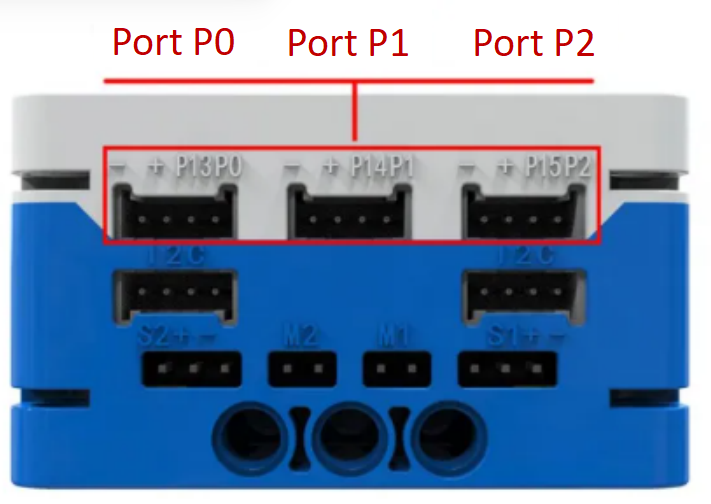
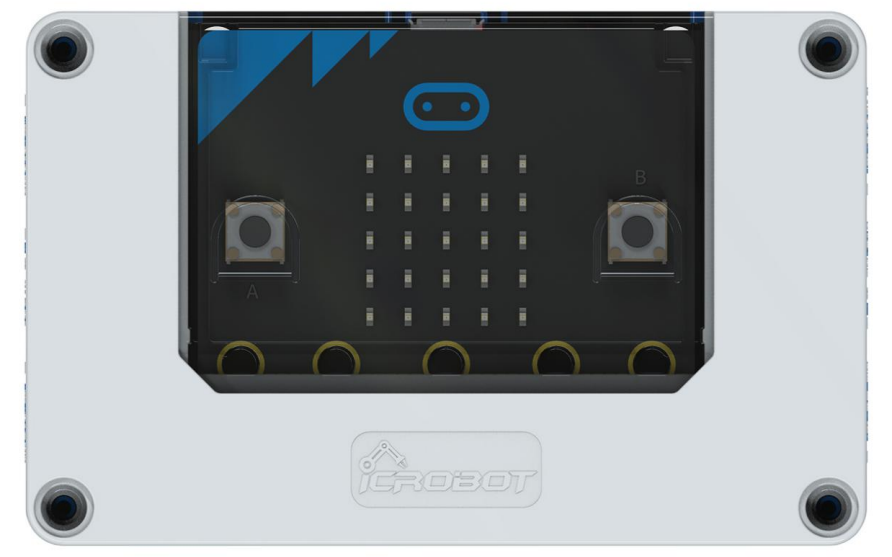
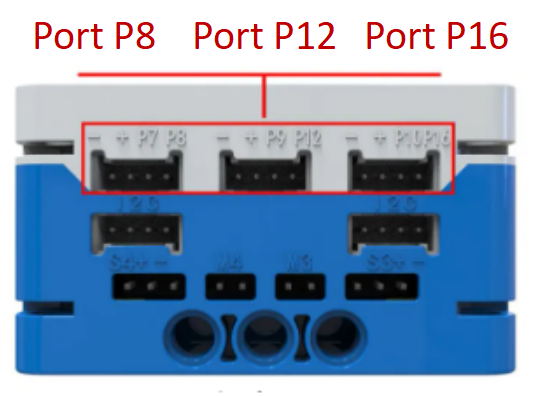
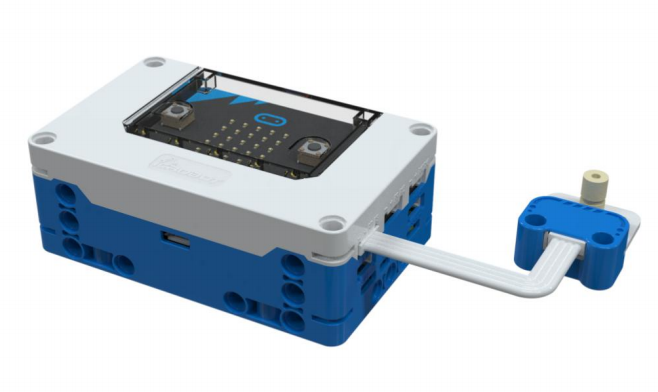
Laser Module Connection Diagram
The laser module can be connected to the micro:bit smart hub’s interfaces: P0, P1, P2, P8, P12, and P16.
When controlling the laser module with a digital signal, a high input voltage turns the laser module on, while a low input voltage turns it off.
When controlling the laser module with an analog signal, the greater the input signal, the brighter the laser module; the smaller the input signal, the dimmer the LED light.
Note: Do not aim the laser at the eyes during use, as it may cause permanent eye damage!
Modular Coding
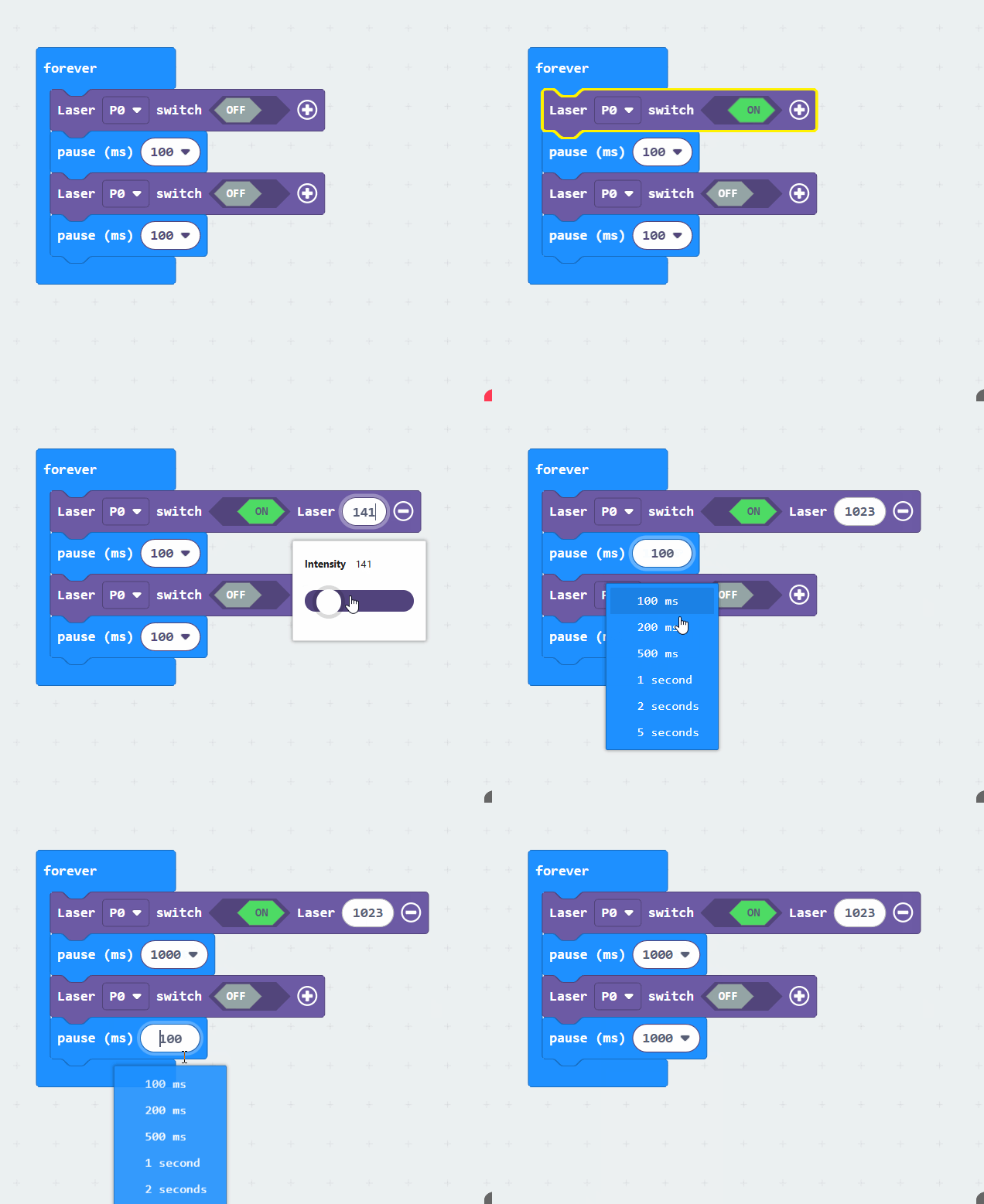
In the MakeCode coding software, by adding the micro:bit extension, you can program the laser module to blink, and use the “+” block to adjust the laser’s power.