Potentiometer Module
Principle
The Potentiometer Module is a component that adjusts resistance values based on a defined pattern. It operates by sliding a brush along a resistive element, outputting a voltage that maintains a specific relationship with the input voltage in the circuit.
Specifications
Item |
Description |
|---|---|
Name |
Potentiometer Module |
Code |
B0020005 |
Dimension |
56×24×12 mm |
Voltage |
5V - DC |
Ports |
Grove |
Data Type |
Analog Signal |
Data Range |
0~1023 |
Usage
|
||
|---|---|---|
|
|
|
Side View |
Front View |
Side View |
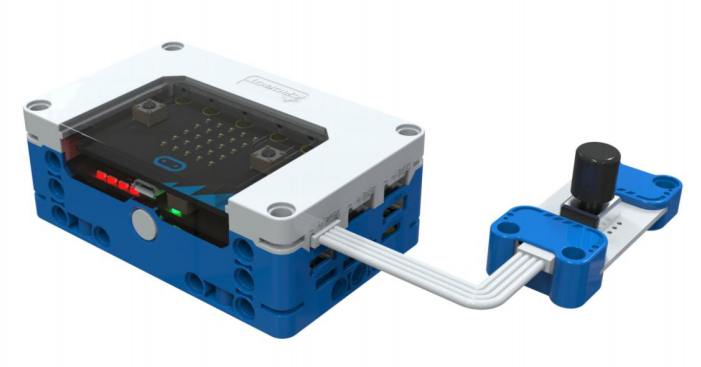
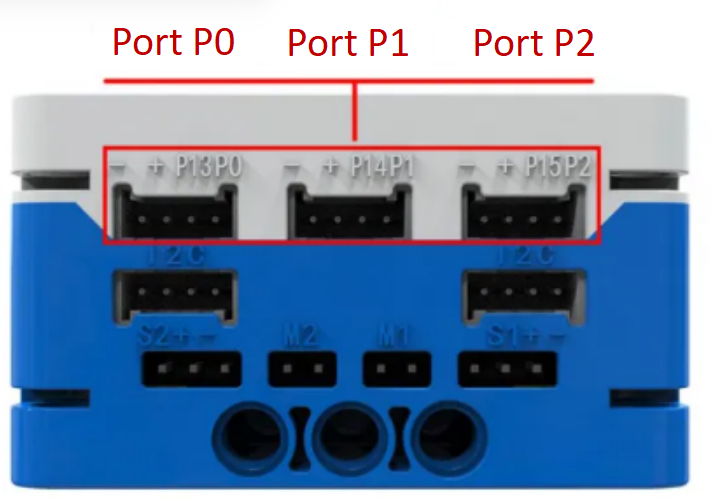
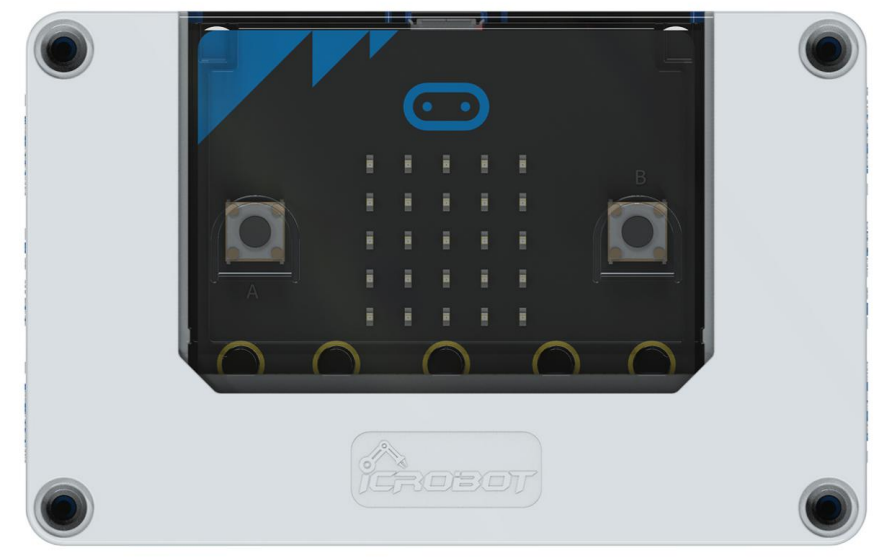
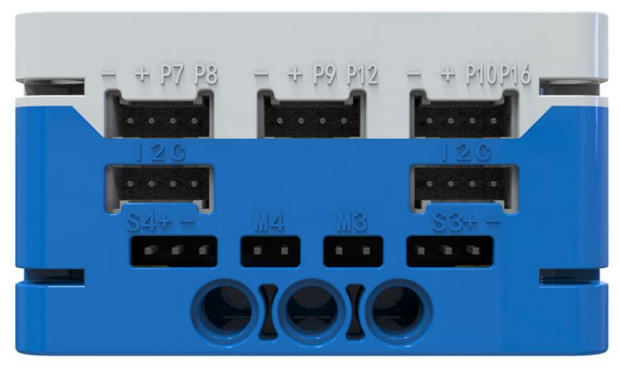
The potentiometer module can be connected to the P0, P1, or P2 ports of the micro: bit smart hub. In the coding environment, the analog values from the potentiometer module can be read. Its characteristics are as follows:
Clockwise rotation: The output value of the potentiometer decreases.
Counterclockwise rotation: The output value of the potentiometer increases.
Modular Coding
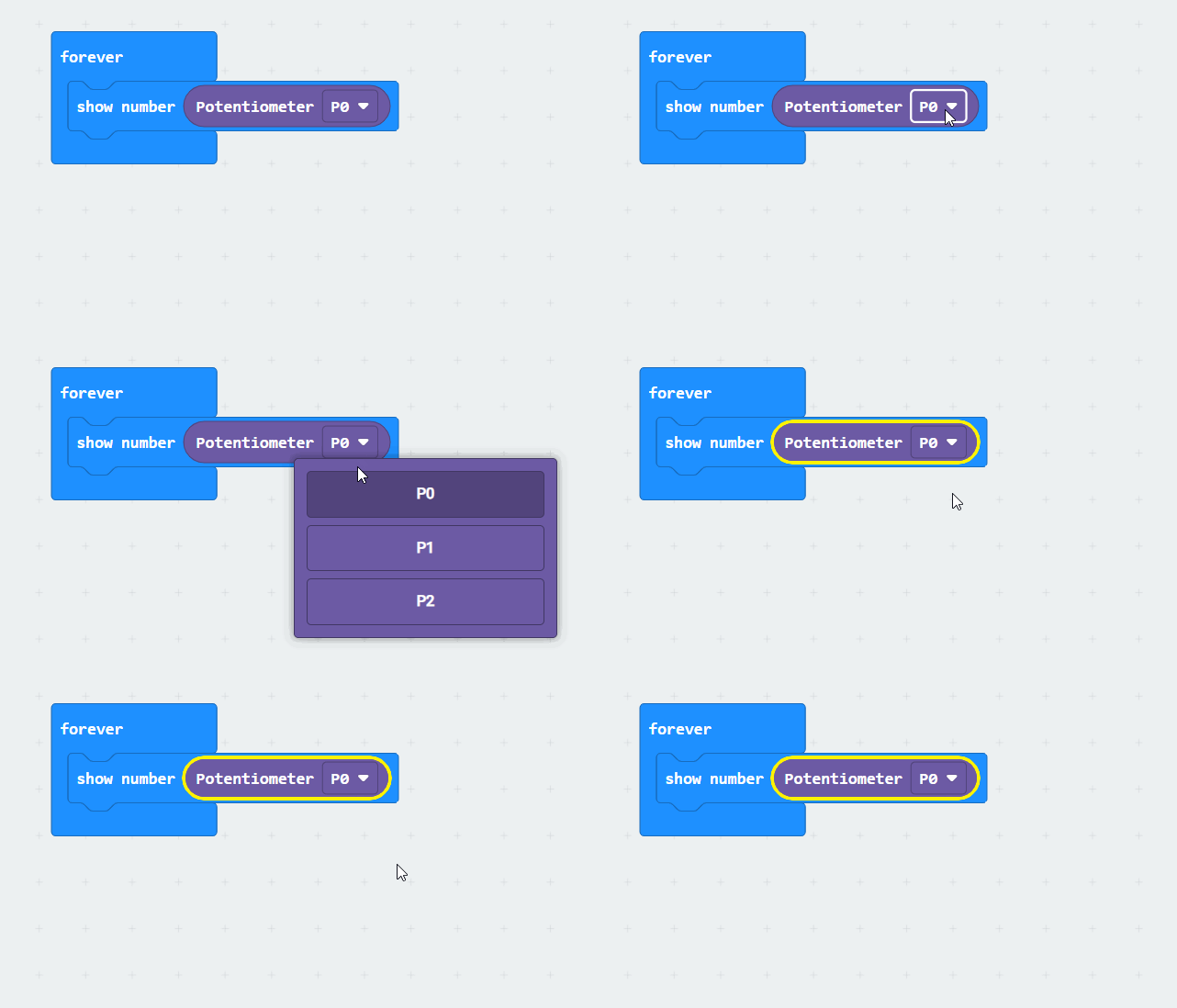
In the MakeCode coding software, the sensor signal value from the P0 port can be read using the Microbit extension. The data can then be visualized on the micro: bit’s LED matrix.