Flame Sensor
Principle
The flame sensor operates based on detecting infrared radiation emitted by flames. It can identify light sources with wavelengths ranging from 760nm to 1100nm. Due to its excellent safety monitoring capability, the flame sensor is widely used in safety applications, including but not limited to firefighting robots and fire alarm systems.
Specifications
Item |
Description |
|---|---|
Name |
Flame Sensor |
Code |
B0020008 |
Voltage |
5V-DC |
Data Type |
Analog Signal |
Data Range |
0~1023 |
Ports |
Grove |
Dimensions |
36.5×24×12 mm |
Usage
|
||
|---|---|---|
|
|
|
Side View |
Front View |
Side View |
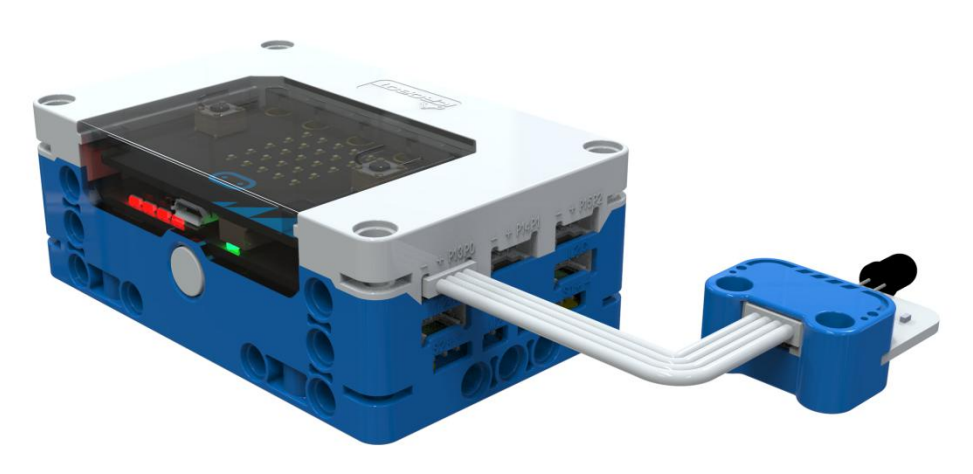
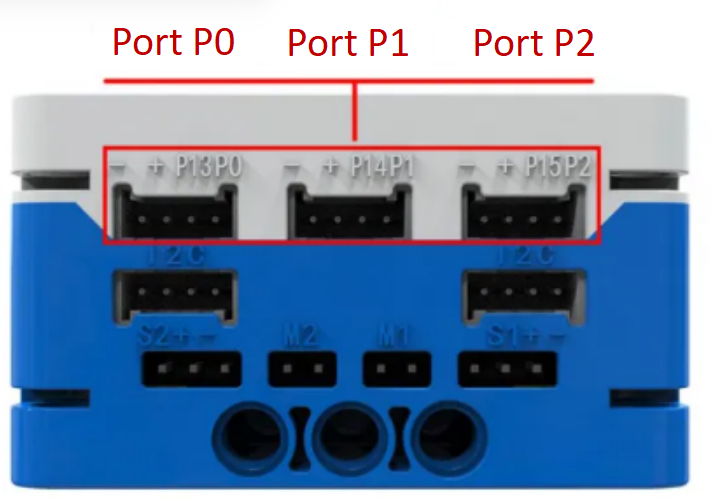
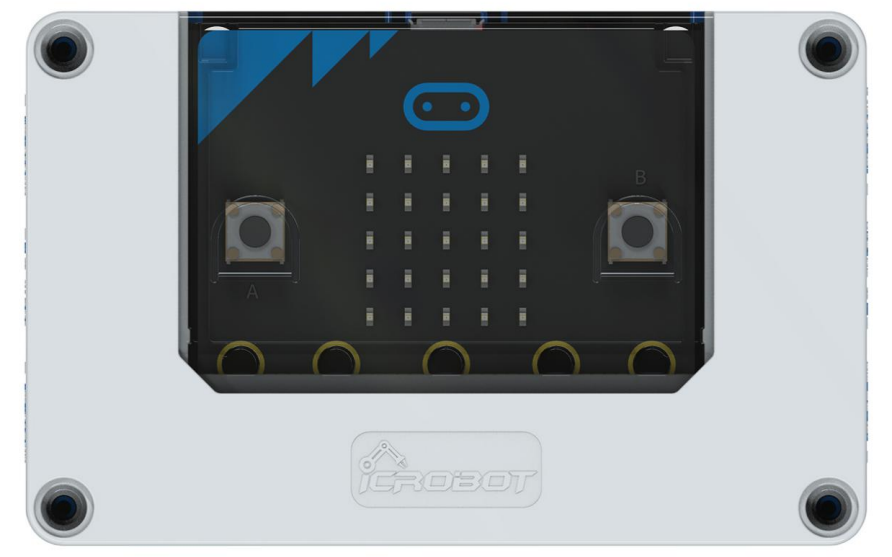
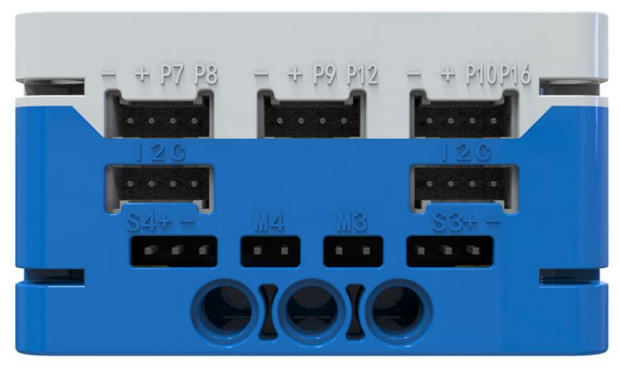
The flame sensor can be connected to the P0, P1, or P2 ports on the micro: bit Intelligent Hub. In the coding environment, the sensor’s analog values can be read. The sensor behaves as follows: the higher the flame intensity, the lower the detected value; conversely, the lower the flame intensity, the higher the detected value.
Note: Please observe fire safety when using the flame sensor.
Modular Coding
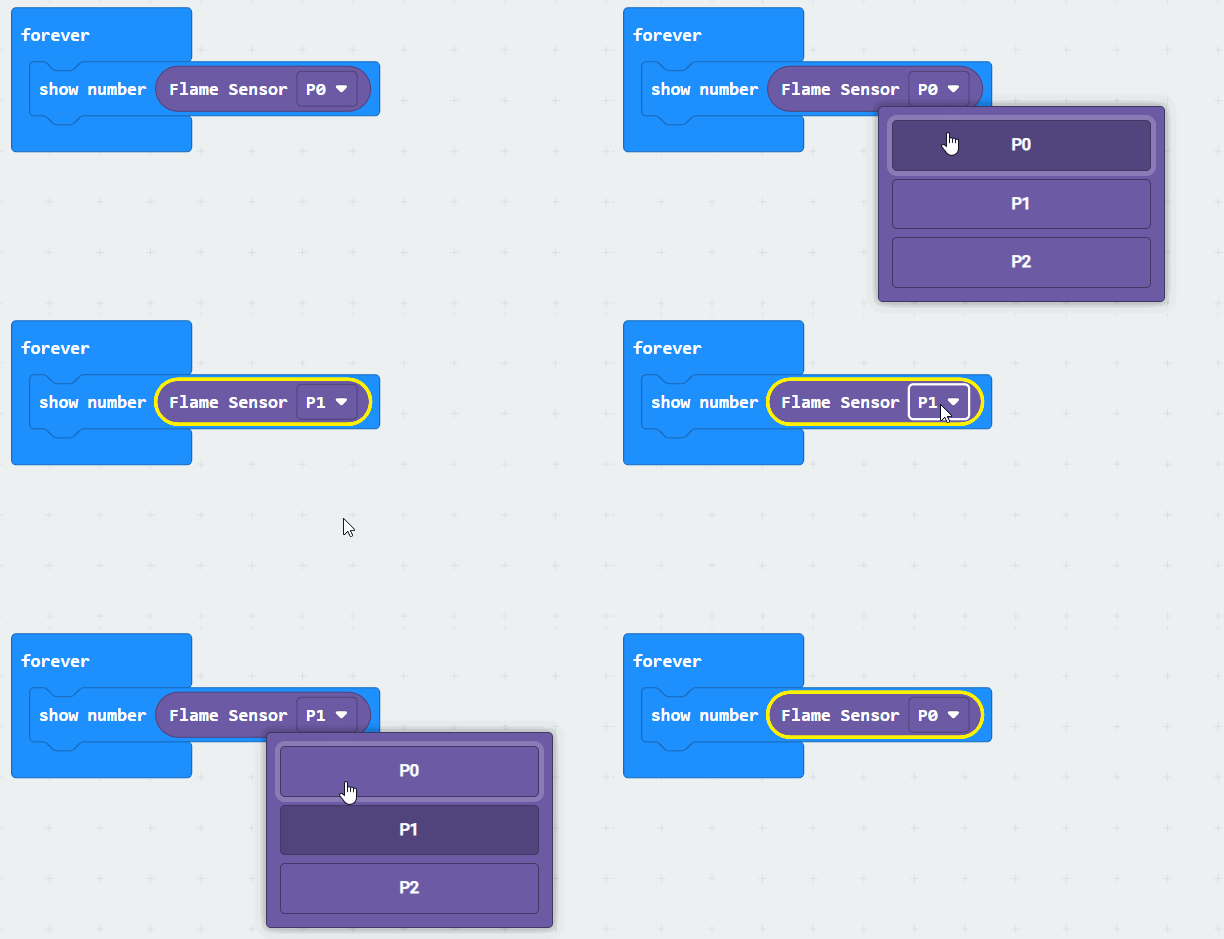
In the MakeCode coding software, by adding the Microbit extension, you can program the system to read the flame sensor signal from the P0 port and visualize the data on the micro: bit’s LED display.